

More To The Story
Latest Episodes
-
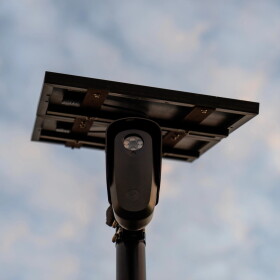 In part one of this series, Asheville Police and the Spartanburg County Sheriff made the case for Flock Safety's license plate reader cameras — narrower in scope than critics suggest, they argued, and already tied to real arrests and recoveries. Part two is the pushback, and it ends with news: this week, Asheville City Council voted 5-2 to rip out every one of the city's 11 Flock cameras and terminate its contract with the company.
 -
 This week, Asheville Mayor Esther Manheimer announced she's calling for a vote at Monday's city council meeting to remove all Flock Safety cameras from the city — ending the contract with the company entirely. She says she heard clearly from residents that a moratorium wasn't enough. That announcement is the backdrop for our report. In this More to the Story episode, WNCW's Dylan Henson sat down with two law enforcement officers who use Flock cameras, to hear the case they make for the technology. Chances are you've driven past one without knowing it — a small camera, mounted near a road or parking lot entrance, reading your license plate and logging the time. In the past two years, they've gone up across western North Carolina and the Upstate of South Carolina. Here's part one — with Asheville Police technology supervisor James Wingo and Spartanburg County Sheriff Bill Rhyne.
 -
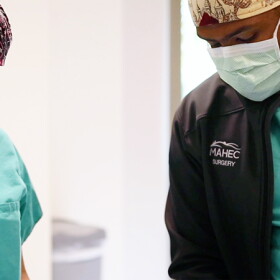 Part three of WNCW's three-part series on rural healthcare access in western North Carolina
 -
 That gap between care and the people who need it is the focus of part two of More to the Story, WNCW's three-part series on rural healthcare access, featuring Sauer and Dr. Susan Mims, CEO of Dogwood Health Trust, the foundation created from the sale of Mission Health.
 -
 When something goes wrong in the mountains of western North Carolina, the first call most people make is 911 — and in many communities, the ambulance that answers is the closest thing to healthcare for miles.That reality is the focus of part one of "More to the Story," a three-part WNCW series examining rural healthcare access across the region. The episode features Henderson County EMS Director Mike Barnett, Buncombe County EMS Division Manager Jamie Judd, and Buncombe County Emergency Services Director Van Jones.Part one of WNCW's three-part series on rural healthcare access in western North Carolina
 -
 This episode takes a deep dive into how climate change is affecting western North Carolina, featuring Dr. Baker Perry (professor of climatology and Nevada state climatologist, Haywood County native) and Sean Heuser (assistant state climatologist, NC State Climate Office). Dylan covers warming nighttime temperatures, Hurricane Helene's rainfall and infrastructure impacts, the region's swings between flood and drought, fire risk, public health, and what it all means for agriculture, tourism, and water management going forward.
 -
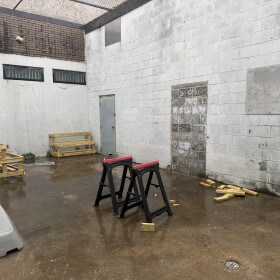 North Carolina's county jails are facing growing challenges, from overcrowding and staffing shortages to aging facilities built decades ago.In Part 1 of our special series, WNCW's Dylan Henson examined how those pressures are affecting detention centers across the state.This morning, in Part 2 of More to the Story, Dylan looks at how counties are responding through renovations, new construction, and modern jail design — and what officials say those changes could mean for the future of local detention centers.
 -
 County jails across North Carolina are facing growing challenges — from overcrowding and staffing shortages to rising mental health and substance abuse concerns. For this week's More to the Story, WNCW's Dylan Henson takes a closer look at the pressures facing local detention centers and what some officials say needs to change.
 -
 This week's episode features longtime Rutherford County journalist Jean Gordon, who discussed the importance of local journalism, the transition from print to digital media, covering tragedy in small communities, and the growing challenge of misinformation online.
 -
 Jaclyn talked with Maria Dunlavey about the Appalachian wild leek, also known as ramps. They discussed why the plant is protected, conservation efforts, and poaching.


